
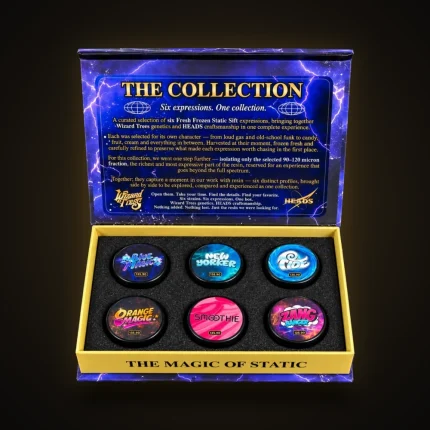

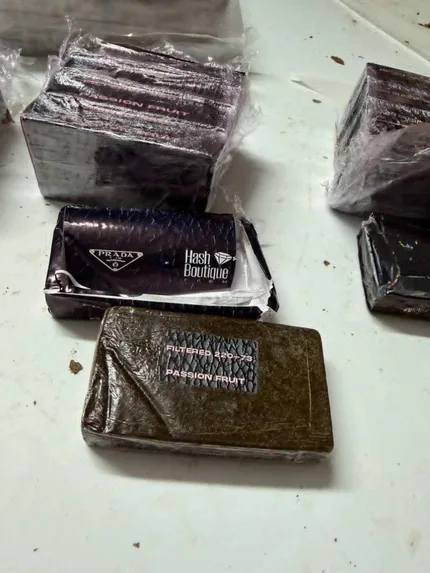
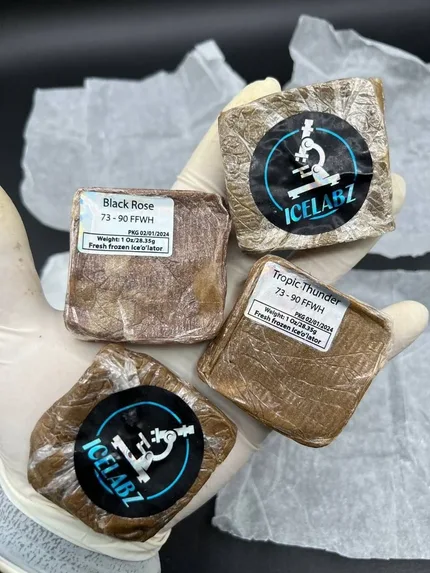
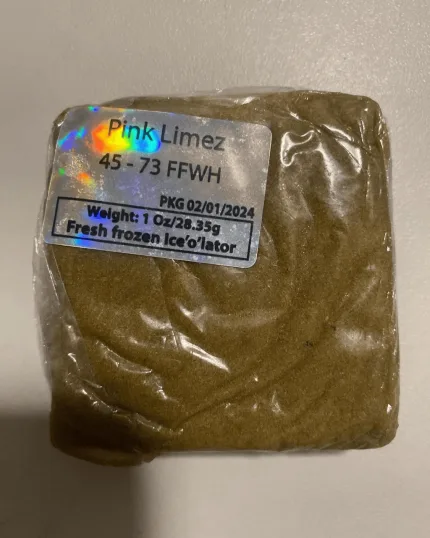
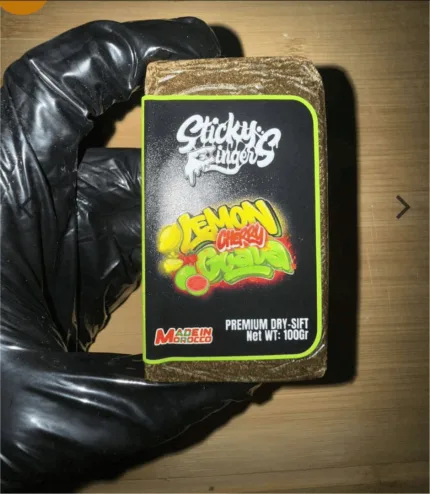
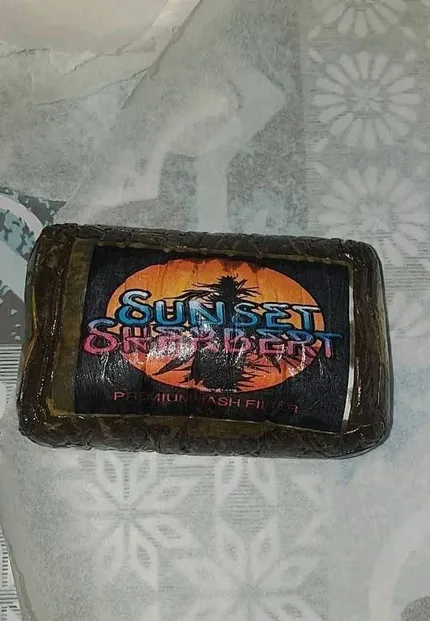
Filtered hash is sift passed through extra rounds of fine filters to take out more plant matter, for a cleaner, more refined resin. The micron size of the final filter is often printed on the label.




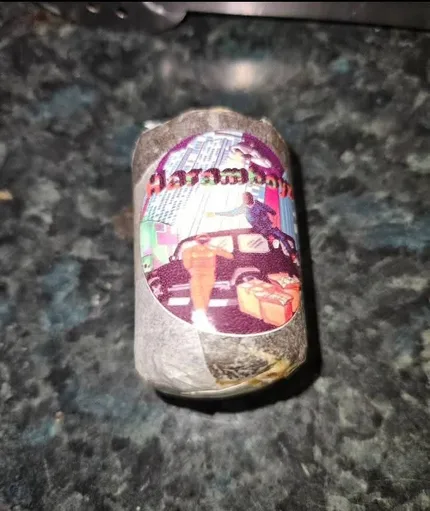
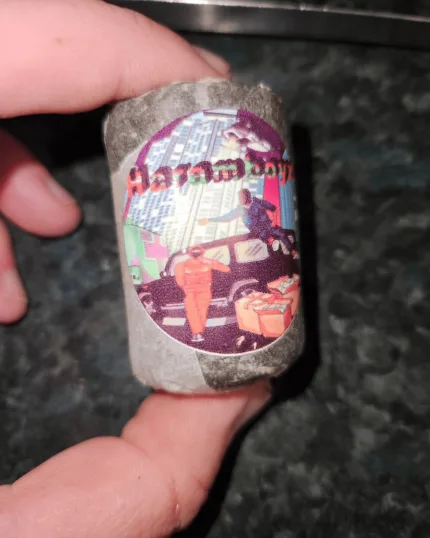
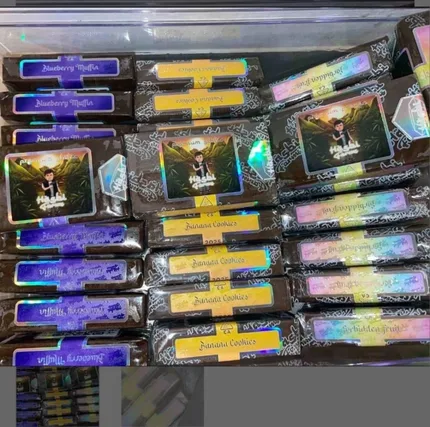
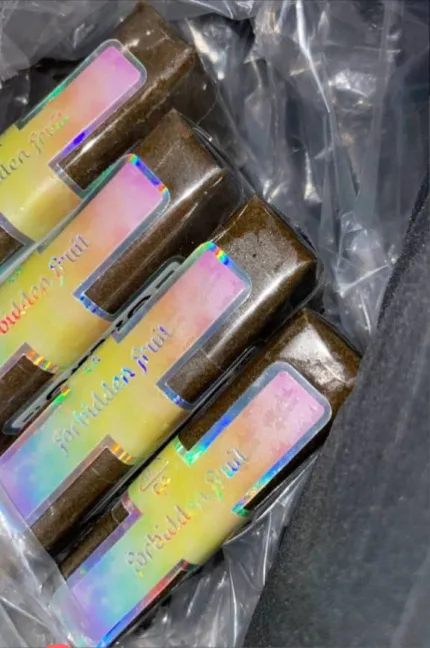


What is filtered hash?
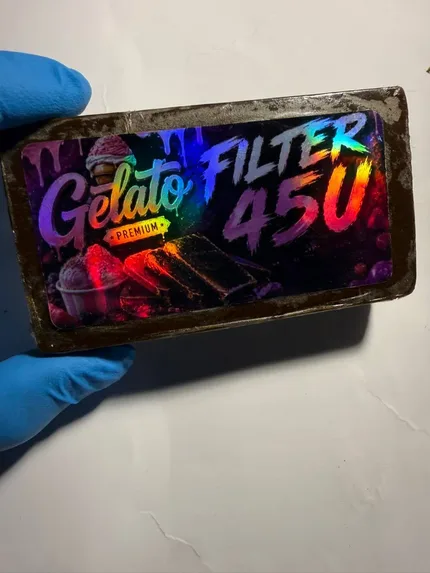
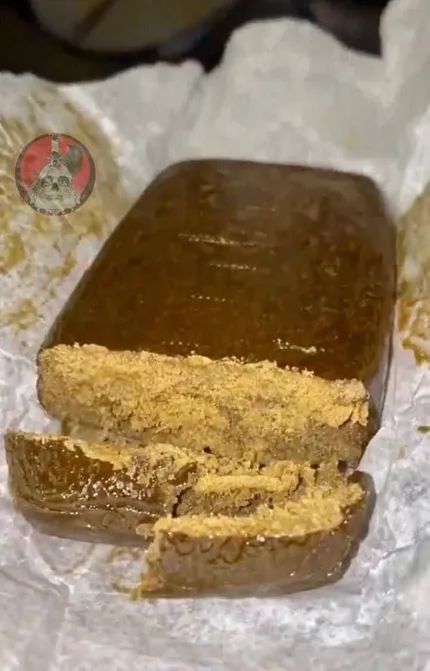
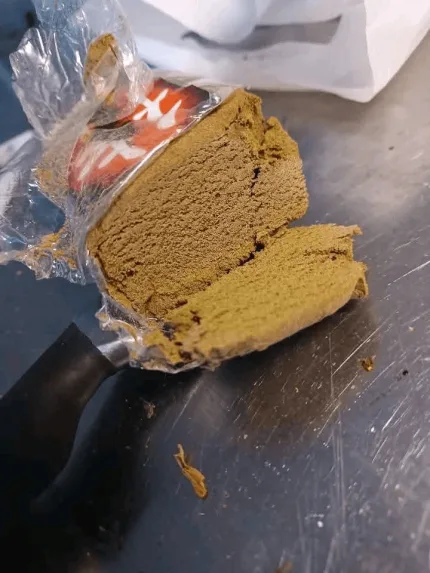
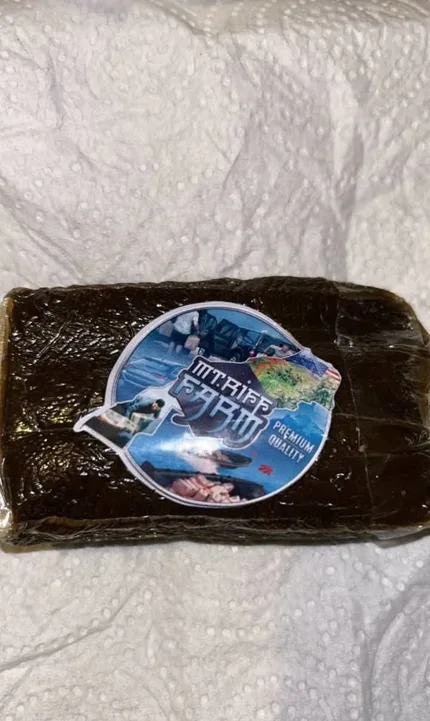
Filtered hash is sift that has been run through extra rounds of fine filters. Each pass takes out more plant matter and broken material, leaving a cleaner, more refined resin. It's a common style on European menus, where you will often see the micron size of the last filter printed on the label, such as "45u" or "90u".
Filtered hash vs other sifts
Think of it as a close relative of dry sift and static sift: all three are made without water, and each refines the resin in its own way. Filtering repeats the screening; static sifting uses a charged surface instead.
What to look for
Look at the micron size, the color and how the hash behaves when warmed: clean resin softens and turns glossy. For the bigger picture, see bubble hash vs dry sift.