
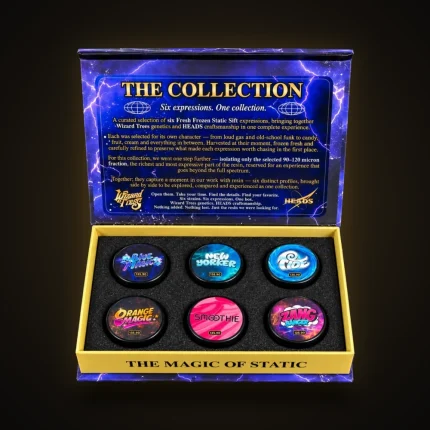

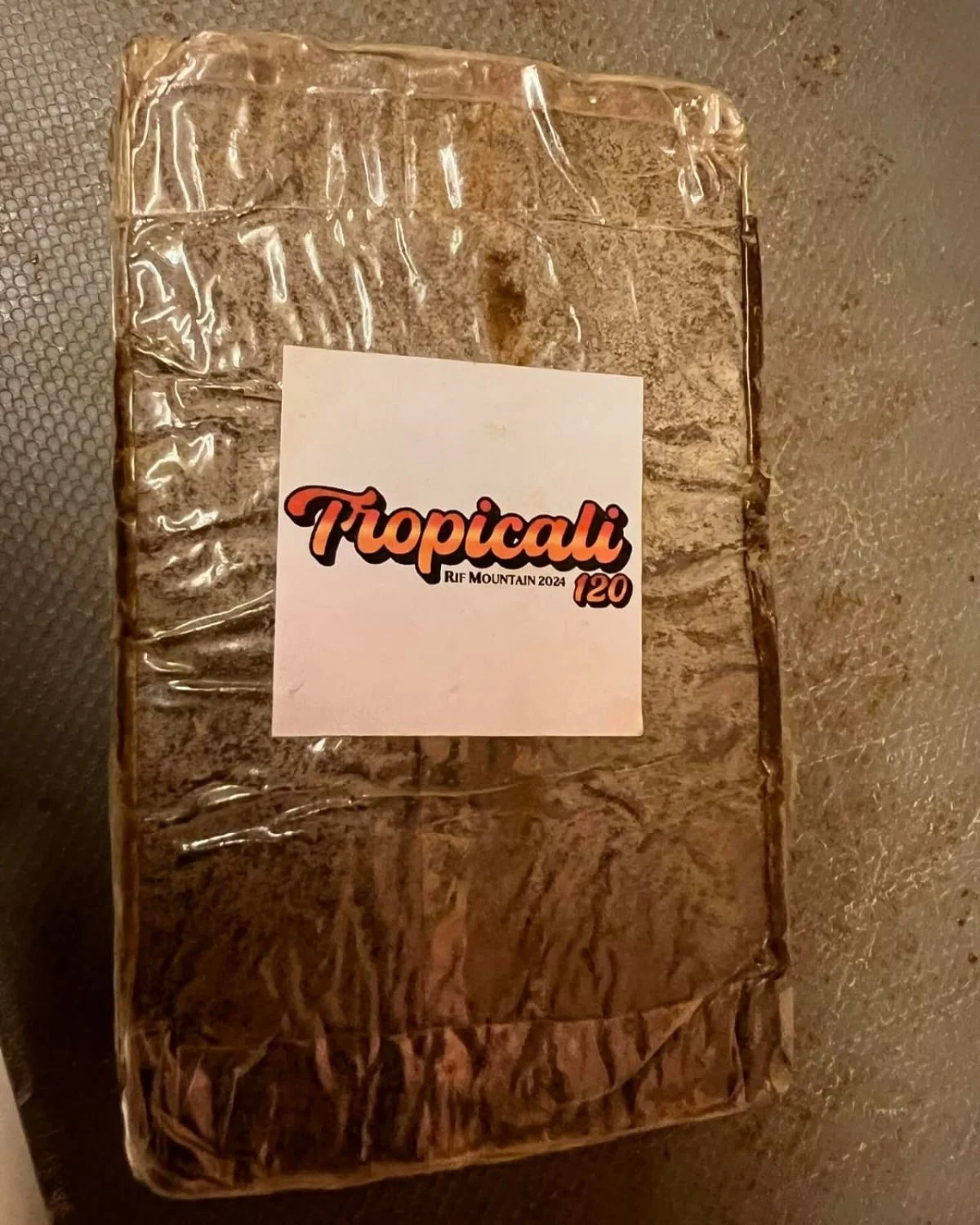
Bubble hash vs dry sift is the first comparison most people make when they start exploring hash. Both are made from exactly the same thing: the golden resin heads of the cannabis plant. The difference is how those heads come off. One method uses ice and water, the other uses screens, and that single choice changes the texture, the look and the way the hash melts.
In short
- Bubble hash (ice water hash) is washed off the plant with ice-cold water and sorted through micron bags.
- Dry sift is knocked through fine screens with no water at all.
- Static sift and frozen sift are refinements of dry sift.
- Neither method uses solvents, and the cleanest grades of both can melt almost completely.
Bubble hash vs dry sift at a glance
| Bubble hash | Dry sift | |
|---|---|---|
| How it’s separated | Ice water and agitation, then micron bags | Fine screens, shaken or tumbled |
| Starting material | Cured flower or fresh frozen plants | Dried, cured flower (frozen sift uses fresh frozen) |
| Drying step | Yes, the wet resin must be dried | No, it’s dry from the start |
| Typical labels | Micron range, star grade, “first wash”, “full melt” | Micron range, “static”, “WPFF” |
| Typical texture | Grainy to sandy, darkens and softens as it cures | Fine powder to sandy, often pressed |
Old method, newer method
Part of the bubble hash vs dry sift story is history. Dry sifting is the traditional way hash has been made for generations in hash-making regions such as Morocco, Lebanon and Afghanistan: dried plants, a fine cloth or screen, and patience. Water extraction is far newer. It spread in the late twentieth century, once mesh bag systems made washing resin with ice water practical outside a lab.
Today both sit side by side on menus, and the best makers of each are chasing the same goal: as many clean resin heads as possible, with as little plant matter as possible.
1. How each one is made
Dry sift is the oldest way of making hashish. Dried flower is worked gently over a stack of screens. The resin heads break free and fall through, while most of the plant matter stays on top. Screens are measured in microns, so each one catches heads of a certain size.
Bubble hash takes a wetter route. Plant material is stirred in ice-cold water, which makes the resin heads brittle so they snap off. The water then drains through a series of mesh bags, each finer than the last, and each bag holds heads of a particular size. The wet resin is collected, dried carefully and cured. Our ice water hash guide walks through it step by step.
2. Cured flower or fresh frozen
When people weigh up bubble hash vs dry sift, the starting material is easy to overlook, yet it shapes the result as much as the method does.
Classic dry sift starts with flower that has been dried and cured, which gives the resin a deeper, more mature character. Bubble hash can be made from cured flower too, but much of it is washed from fresh frozen plants, frozen soon after harvest to keep their fresh terpene profile. You’ll often see “WPFF”, short for whole plant fresh frozen, on those labels.
Frozen sift borrows that idea for the dry method: fresh frozen plants, sifted cold through screens. More in the frozen sift section of the shop.
3. Texture, color and look
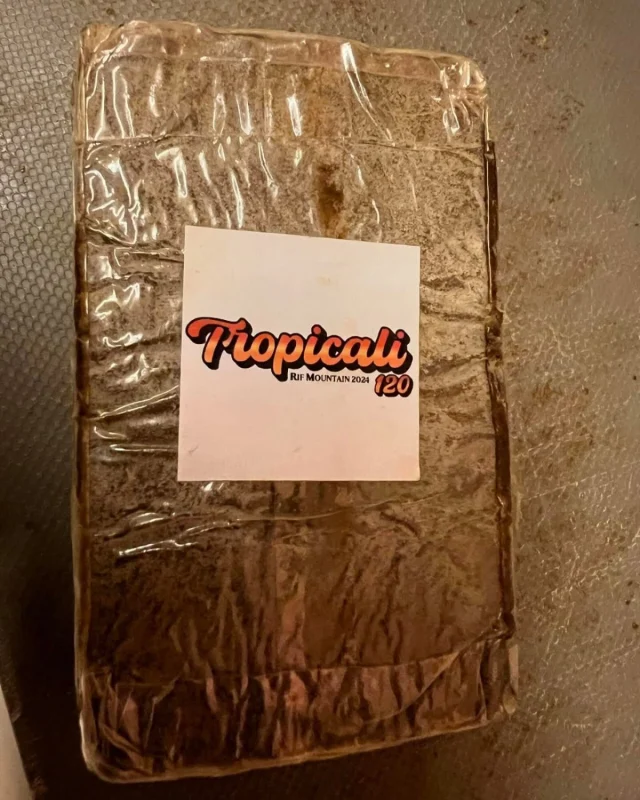
Texture is where the bubble hash vs dry sift difference is easiest to see. Fresh dry sift is usually a fine, sandy powder, from pale blond to gold. Pressed, it turns into a block that darkens on the outside. Bubble hash tends to look grainier when fresh and gets softer and darker as it cures. Color alone isn’t a reliable guide to quality for either; how cleanly the resin melts tells you more.
4. Flavor and aroma
On flavor, bubble hash vs dry sift is closer than many people expect. Both methods keep the plant’s terpenes, so both should smell like the strain on the label. Hash from fresh frozen material is often described as brighter and closer to the living plant, while hash from cured flower leans deeper and more rounded. In the end the starting plant matters more than the method: great hash only comes from great flower.
5. Melt, microns and grades
The micron number, written “73u” or “90-120u”, is the size of the screen or bag the resin was collected in. Mature heads gather in the middle ranges, so those often give the cleanest result. Bubble hash is also commonly graded on a six-star scale, where five and six stars mean full melt: hash that melts almost completely when heated. The best dry sift, especially static sift, can come close to that too.
So when comparing bubble hash vs dry sift on a label, compare like with like: a 90u dry sift with a 90u bubble hash says more than two products from different ranges.
Where static sift and frozen sift fit in
- Static sift is dry sift cleaned with static electricity: a charged surface lifts away the light plant matter and leaves the heavier heads behind.
- Frozen sift is dry sift made from fresh frozen plants.
- Filtered hash is sift run through extra rounds of fine filters.
Read more about the first one in what is static sift.
Bubble hash vs dry sift: which should you choose?
There’s no single winner in the bubble hash vs dry sift debate; it comes down to what you value. If you like a fresh, bright profile and a grainy texture, look at ice water hash or frozen sift. If you prefer the classic, dry-method character, or want hash that never touched water, start with dry sift and static sift. Either way, read the micron range and the notes on each product page.
Storing both
Whichever side of the bubble hash vs dry sift question you land on, both keep best airtight, cool and dark. Heat softens hash and light fades its aroma. See how to store hash for the details.
Questions about bubble hash vs dry sift
Is bubble hash stronger than dry sift?
Not by default. Strength depends mostly on the plant and on how cleanly the resin was separated, not on whether water was used. Check each product’s details rather than going by the method alone.
Can dry sift be pressed into rosin?
Yes. Both dry sift and bubble hash can be pressed with gentle heat into rosin. Rosin pressed from ice water hash is known as hash rosin.
What does the “u” on a hash label mean?
It stands for microns, the size of the screen or bag that collected the resin. A label like “160/73u” means the resin passed through a 160-micron screen and was caught on a 73-micron one.
Hash is for adults only, and only where cannabis is legal. Browse the full HEADS menu to compare every style side by side.